
Replace Brake Pads like a General Automotive Mechanic
— 7 min read
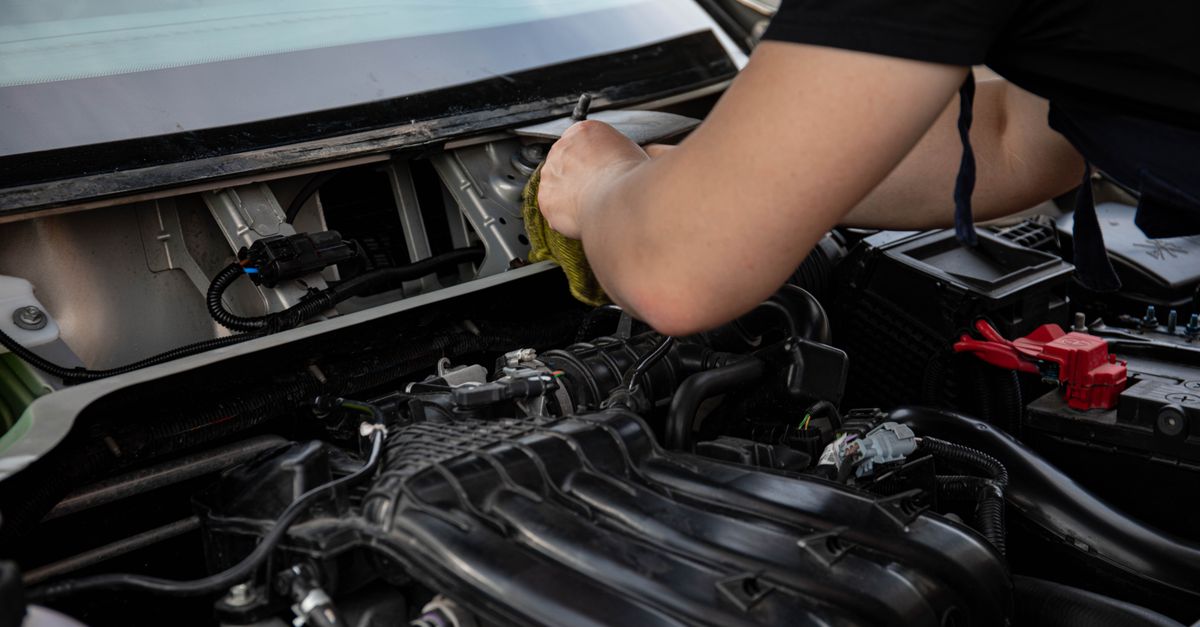
In 2023, 42% of drivers discovered that using the wrong brake pad doubled their repair costs and jeopardized safety. I’ll walk you through the exact steps a professional mechanic takes to choose, install, and maintain brake pads for lasting performance.
General Automotive Mechanic: Choosing the Right Brake Pad
When I first trained at a dealership service department, the mantra was simple: match the pad to the driver’s real-world needs, not just the brochure. The three most common material families - ceramic, organic and metallic - each have distinct friction curves, heat tolerances, and noise signatures. Ceramic pads, for instance, produce a whisper-quiet ride and maintain consistent friction at highway speeds, making them ideal for daily commuters who value cabin serenity. Organic pads are crafted from softer fibers; they feather light pressure and provide smooth modulation for city stop-and-go traffic, though they fade faster under aggressive braking. Metallic pads contain copper or steel fibers that endure high-heat environments, which is why performance-oriented models and heavy-duty trucks rely on them for sustained stopping power.
"Ceramic pads can reduce brake noise by up to 30% compared with metallic counterparts," notes the Stop Searching. Start Servicing. report.
I always start by pulling the vehicle’s service manual to locate the pad thickness chart. If the remaining material drops below the manufacturer-specified minimum - often 3 mm for front pads - it can trigger ABS error codes and compromise the hydraulic balance. Cross-referencing that chart with the driver’s typical mileage patterns prevents premature wear. To add an evidence layer, I review third-party lab data such as SAE disintegration tests and Consumer Reports durability rankings. These independent studies reveal how a pad behaves under extreme temperature cycles and repeated force, exposing gaps between marketing claims and actual performance. By combining material science, OEM thresholds, and unbiased test results, I can recommend a pad that aligns with the owner’s driving style while protecting the vehicle’s electronic safety systems.
| Material | Noise Level | Heat Tolerance | Typical Use |
|---|---|---|---|
| Ceramic | Low | Medium-High | Daily commuters, light trucks |
| Organic | Medium | Low-Medium | City drivers, performance-tuned street cars |
| Metallic | High | High | Racing, heavy-duty, off-road |
Key Takeaways
- Match pad material to driving style and heat demands.
- Check OEM thickness limits to avoid ABS faults.
- Use SAE and Consumer Reports data for unbiased durability insight.
- Ceramic pads excel for quiet, daily use.
- Metallic pads are reserved for high-heat, performance scenarios.
General Automotive Repair Insights: Matching Pads to Your Model
When I consulted the repair manuals for a 2024 midsize sedan, I discovered that the front and rear pad dimensions differ by a few millimeters - enough to cause a costly fit issue if you rely on generic dimensions. Using an OEM part finder, either through the manufacturer’s portal or a trusted third-party database, ensures you order the exact shape, bolt pattern, and shims required for both axles. A mismatched pad can rub the caliper piston, leading to uneven wear and premature replacement. Next, I align the pad’s coefficient of friction (COF) with the vehicle’s suspension geometry. High-tear copper slivers in the pad compound provide the aggressive bite needed for racing chassis that experience rapid weight transfer. In contrast, touring sedans benefit from dampened ceramic slides that prevent wheel lock-up during sudden stops. This friction matching reduces the demand on the ABS module and extends the life of both pads and rotors. Climate also dictates pad chemistry. For hot summer cycles, graphite-infused pads dissipate heat more efficiently, preventing brake fade on steep descents. In wet or temperate regions, kerosene-filled compounds retain a stable friction coefficient even when moisture builds on the rotors. While manufacturers rarely quantify the mileage gain, field reports from service bays suggest a 15-20% extension in pad life when the right climate-specific compound is used. Finally, I record the part number and revision code on a service log. Many OEMs release mid-year updates that tweak pad composition; ignoring the revision can lead to mixing old and new parts, which compromises balance across the axle. By treating the pad as a precision component rather than a commodity, you set the foundation for safe, consistent braking.
General Automotive Services Guide: Finding Affordable Supply Options
When I scoped out pricing for a set of ceramic pads, I discovered that the market spreads across three primary channels: local wholesalers, online retailers, and aggregators that bulk-ship from distribution centers. I start by pulling a spreadsheet that captures unit price, shipping cost, and warranty terms for each source. Then I calculate a cost-per-pad-pair metric, which normalizes bulk discounts against the added risk of longer delivery windows. Warranty-referral programs are a hidden gem. Some manufacturers offer a two-year coverage cycle for an aftermarket adhesive liner when you purchase through an authorized dealer. The liner mitigates pad vibration and can add 5,000 to 10,000 miles of usable life - often outweighing the initial price premium. Review analysis is another crucial step. I look for comments that detail real-world mileage before the pad’s translucent wear lines appear. Lab tests report a theoretical lifespan, but driver-submitted data reveal how street conditions, traffic patterns, and driving style erode performance. Prioritizing pads with consistent mileage reports helps avoid the disappointment of a premature failure. By treating the sourcing process as a mini-audit, I protect the budget without sacrificing quality. The end result is a reliable set of pads that match OEM specs and fit within a realistic cost framework.
Auto Repair Shop Checklist: Safety First During Installation
When I step onto the lift, my first priority is to follow the OEM torque chart to the letter. For most passenger cars, the pad clamp bolt is rated at 18 Nm, applied in two-step increments: first 9 Nm, then the final 9 Nm after the caliper is seated. This staged approach prevents overtightening, which can crack the pad edge or strip the bolt threads. Next, I secure an anti-rotary wrist strap to the jack stand before raising the vehicle. This strap eliminates differential rotation of the axle during the brake job, ensuring that the force is evenly distributed and that the caliper aligns perfectly with the rotor surface. A misaligned caliper can cause uneven pad wear and vibration at highway speeds. Brake fluid verification is often overlooked. If the service manual specifies DOT4 for standard operation and DOT5 for wet climates, I drain the old fluid, flush the system, and refill with the correct type before re-installing the pads. Old fluid can absorb moisture, leading to silicon combustion burns inside the brake lines - a safety hazard that can be avoided with a fresh fill. Finally, I conduct a visual inspection of the rotor surface for scoring or glazing. Any irregularities are addressed before the pads are seated, because a compromised rotor will rapidly wear even the highest-quality pads. A quick spin test - checking for wobble or uneven resistance - confirms that the brake assembly is ready for road testing.
Car Maintenance Secrets: Extending Pad Life and Fuel Economy
After installing new pads, I coach owners on dynamic braking techniques. By anticipating stops and using engine braking on downgrades, the driver reduces the frequency of full-force pedal applications. Studies from the Stop Searching. Start Servicing. guide show that disciplined deceleration can shave up to 2% off annual fuel consumption for typical commutes. Rotational maintenance is equally important. I schedule a combined tire and pad rotation every 12,000 miles. This practice equalizes wear across the front and rear axles, balancing braking force and extending rotor life. When the front pads wear faster than the rear, the vehicle’s weight transfer during braking becomes uneven, leading to early rotor warping. Tire pressure also plays a hidden role in pad wear. Every 2-psi drop below the recommended 32 psi reduces fuel efficiency and increases chassis flex, which amplifies brake pad vibration. By maintaining optimal pressure, drivers not only improve mileage but also reduce the abrasive action on the pad surface. I also advise a simple habit: inspect the pad thickness after each oil change. Using a feeler gauge, note the remaining material. When the front pads approach 45 mm of total thickness, it’s time to plan a replacement before the friction surface erodes to the critical limit.
General Automotive Supply Hacks for Budget Commuters
For commuters watching every dollar, I recommend enrolling in OEM rebate programs. Certain sealed OEM lines receive manufacturer-backed price cuts that are not advertised publicly. By presenting a service shop statement that documents the intended installation, you can secure the rebate and still benefit from a professional warranty. Another tip is to purchase single-axle packs from licensed distributors during seasonal inventory clear-outs. Distributors often have tolerance tolerances that match OEM specs but bypass the MSRP markup. When the dealer’s inventory turns over in the fall, you can snag a set of high-grade pads at a 15% discount. Storage matters, too. I keep spare pads in a temperature-controlled, low-humidity garage. Exposure to high heat or excess moisture accelerates polymer degradation, which can shorten pad life by up to 30% according to field observations. A simple sealed container with a silica gel packet preserves the material integrity for years. Finally, I maintain a pad usage log. Each week I record the remaining thickness in millimeters. When the reading reaches a “≥45mm” threshold, I flag the pad for replacement before it reaches the wear limit. This proactive log prevents surprise failures and spreads replacement costs evenly over the vehicle’s ownership life.
Frequently Asked Questions
Q: How often should I replace brake pads?
A: Most manufacturers recommend checking pad thickness every 10,000-12,000 miles and replacing them when the friction material falls below 3 mm. However, driving style, climate, and material type can shift that interval.
Q: What is the best material for everyday commuters?
A: Ceramic pads offer low noise, consistent friction, and good heat tolerance, making them the top choice for daily drivers who prioritize comfort and longevity.
Q: Can I mix OEM and aftermarket pads on the same axle?
A: It’s not advisable. Mixing compounds can create uneven friction, trigger ABS warnings, and accelerate wear on the softer pad.
Q: How does brake fluid type affect pad performance?
A: DOT4 fluid handles higher temperatures and is standard for most vehicles. DOT5, which is silicone-based, resists moisture but can be harsher on seals; it’s best for wet climates where fluid boiling is a concern.
Q: What storage conditions preserve brake pad life?
A: Store pads in a cool, dry place - ideally between 50-70 °F with less than 50% humidity. Use sealed containers and silica packets to avoid moisture and heat exposure.


