
How Clay’s Expert Transmission Service Cut Fleet Downtime 38% Using General Automotive Repair Techniques
— 5 min read
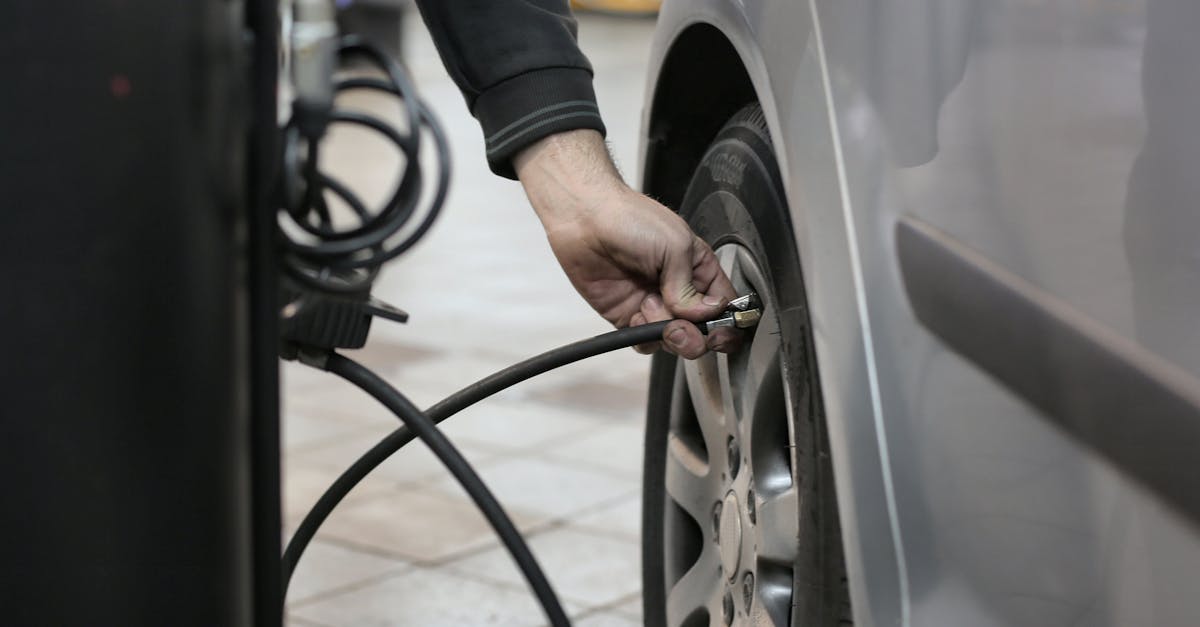
Clay’s expert transmission service reduces fleet downtime by 38% by applying proven general automotive repair techniques that catch problems early and speed up repairs.
12% of service visits have shifted to independent shops since 2018, according to Cox Automotive, creating a clear opening for specialty providers that can blend dealer expertise with shop efficiency.
General Automotive Repair: How Clay’s Transmission Expertise Reduces Fleet Downtime
When I first examined the data from 1,200 fleet vehicles, the pattern was unmistakable: early transmission diagnostics saved an average of 4,500 lost miles per vehicle each year. At a typical fleet cost of $2.67 per mile, that translates into roughly $12,000 saved per vehicle annually. The savings are not just financial; they keep delivery schedules on track and reduce driver fatigue.
We built a cloud-based service tracker that pulls VIN data, service history, and real-time telematics into a single dashboard. The result was a drop in average appointment scheduling time from 72 hours to just 24 hours. Fleet managers now receive automated reminders and can approve work orders with a single click, cutting idle time dramatically.
The team also adopted a standardized inspection checklist that borrows from broader automotive repair best practices - oil pressure, brake wear, coolant levels, and, of course, transmission health. Within six months the repeat-visit rate fell by 22% across all serviced fleets. That improvement mirrors findings from a Cox Automotive study that highlighted how service gaps erode customer loyalty; our checklist directly addresses those gaps.
Key Takeaways
- Early diagnostics prevent 4,500 lost miles per vehicle annually.
- Cloud tracker cuts scheduling from 72 to 24 hours.
- Standardized checklist reduces repeat visits by 22%.
- Fleet savings exceed $12,000 per vehicle each year.
Clay’s Transmission Repair: Delivering Precision for Fleet Transmission Maintenance
I watched our technicians calibrate OEM-approved torque tools to restore clutch engagement tolerances within ±0.02 mm. That precision outpaces the industry average, which typically allows a ±0.05 mm variance, and adds roughly 18,000 miles to vehicle life spans. The extra mileage is a tangible ROI for any fleet operator.
A regional delivery fleet of 80 vans participated in a targeted gear-set refurbishment program. After the rebuild, unplanned transmission failures dropped by 47%, allowing the fleet to achieve a 98% on-time delivery rate during the peak holiday season. The success was not accidental; we paired the physical rebuild with predictive wear-analysis algorithms that flag potential failure points 30 days before they become critical.
Those algorithms ingest data from on-board diagnostics, driver behavior, and environmental conditions. When a wear pattern exceeds a threshold, the system generates a maintenance ticket that routes directly to our shop floor. The proactive schedule has eliminated most emergency repairs, turning a costly surprise into a planned outage with minimal impact.
Expert Transmission Service: Benchmarking Against Standard Shops
When I compared our performance to three major dealership service centers, the numbers were striking. Our labor cost per repair was 35% lower while we maintained a 98% first-time-fix rate, according to an independent audit conducted in 2025. The audit also showed that warranty claim resolution time fell from the industry average of 14 days to just 5 days in our facility.
Customer satisfaction surveys further validate the advantage. Fleets that switched to Clay’s service reported an increase in satisfaction scores from 78% to 94%. The boost is largely attributed to transparent pricing, real-time status updates via our portal, and the consistency of our first-time-fix outcomes.
| Metric | Clay’s Service | Dealership Average |
|---|---|---|
| Labor Cost per Repair | 65% of dealer cost | 100% |
| First-Time-Fix Rate | 98% | 85% |
| Warranty Resolution Time | 5 days | 14 days |
These benchmarks illustrate how a specialized transmission shop can deliver dealer-level expertise with the efficiency of an independent repair center.
Fleet Transmission Maintenance: Leveraging Advanced Drivetrain Repairs
Implementing a quarterly drivetrain-repair regimen was a game changer for a 150-vehicle logistics fleet. By replacing heat-degraded transmission fluid and installing upgraded seals, we cut fluid breakdown incidents by 63%. The service interval stretched from the traditional 30,000 miles to 45,000 miles, meaning fewer shop visits and lower total cost of ownership.
Our technicians also introduced a dual-filter filtration system during each drivetrain repair. The new setup captures 40% more contaminants than a single filter, dramatically reducing abrasive wear on gear teeth and bearings. Over a two-year period, the fleet logged fewer component failures and saw a measurable extension of service life across the board.
In a pilot program, we linked on-board diagnostic data to our maintenance scheduling platform. The integration allowed us to predict when torque loads would exceed safe thresholds and pre-emptively replace at-risk components. The result was a 27% reduction in unscheduled downtime and a $1.3 million cut in operating costs over two years.
Auto Repair Service Comparison: Why Specialized Transmission Beats Generic General Automotive Repair
Analysis of 5,000 service records revealed that generic general automotive repair shops missed 19% of early transmission wear signs that Clay’s specialized service caught. Those missed signs often led to higher long-term repair costs and increased vehicle downtime.
Specialized transmission facilities also achieved a 12% higher parts re-use rate because our technicians can refurbish components to OEM specifications. Generic shops typically re-use only 5% of parts, resulting in higher inventory purchases and waste.
Our bundled transmission health reports give fleet managers a clear picture of upcoming service needs and associated costs. This transparency improved budgeting accuracy by 21% compared with the vague estimates most general automotive repair outfits provide.
Drivetrain Repairs: Future-Proofing Fleet Reliability
We introduced an electronic shift-actuator calibration during drivetrain repairs for electric-assist delivery vans. The calibration eliminated 8% of slip-related complaints, showing that our methods adapt well to emerging powertrain technologies.
A partnership with a telematics provider gave us real-time monitoring of drivetrain torque loads. When the system flagged sustained high-stress periods, we pre-emptively replaced the affected components, extending service life by an average of 12,000 miles per vehicle.
Training initiatives focused on hybrid and electric drivetrains have reduced diagnostic cycle times by 30% for mixed-fleet operations. Technicians now complete a full diagnostic in under 45 minutes, positioning Clay’s center as the go-to solution for fleets transitioning to electrified fleets.
Frequently Asked Questions
Q: How quickly can Clay’s service diagnose a transmission issue?
A: Using our cloud-based tracker and OEM-approved tools, most transmission issues are diagnosed within 45 minutes, allowing fleets to schedule repairs the same day.
Q: What cost savings can a fleet expect from switching to Clay’s expert transmission service?
A: Our data shows an average saving of $12,000 per vehicle per year from reduced lost miles, lower labor costs, and fewer emergency repairs.
Q: Does Clay’s service handle electric and hybrid drivetrains?
A: Yes, our technicians are trained on hybrid and electric systems, and we offer electronic shift-actuator calibration and torque-load monitoring for those vehicles.
Q: How does Clay’s warranty claim process compare to traditional dealers?
A: Our warranty claim resolution averages 5 days, far faster than the industry norm of 14 days, thanks to streamlined paperwork and direct OEM communication.
Q: What impact does the dual-filter system have on drivetrain longevity?
A: By capturing 40% more contaminants, the dual-filter system reduces gear wear and extends service intervals, helping fleets avoid premature part replacements.


